
Virtual currency (gems, coins, credits)
You swap real money for gems, coins or points first, and prices are then shown in those instead of dollars.
Caution · Built to push spending
A made-up currency separates what you pay from what things cost, so the real price stops looking like money.
What it does to the fun
Like foreign cash on holiday, gems and coins stop feeling like real money, so spending them feels lighter than it should. The balance sits in the corner of every screen as a reminder, and being a few gems short of something feels like a problem to solve. Working out the real price means doing sums mid-game, which is easy to skip, especially for kids. With prices in dollars, every choice would be a plain one.
What you're actually buying
Not items, but the currency itself. You buy gems or credits with real money, then spend them in the game. The exchange rate, the bundle sizes and any second 'free' currency make it hard to tell what anything really costs.
How it works
Virtual currencies sit between your card and the shop. The platform sets the exchange rate, balances don't convert back to cash, and 'dual currencies' split an earned kind from a bought kind. Currency is sold in a few fixed packs while shop items are priced in other numbers, so buying one item usually means buying a pack that overshoots it. The leftover is too small to buy anything else, which leaves a balance sitting in your account and a reason to top up. The biggest pack, or an extreme price, is often shown first or labelled 'best value', so the smaller packs look cheap by comparison and the shop's preferred option looks like the obvious choice. Platforms such as Roblox, Fortnite and Minecraft sell Robux, V-Bucks and Minecoins that convert back to cash for creators only at a rate the platform sets, after it has taken its cut.
When it's fine
When the shop shows the real-money price next to the currency price, you can buy exactly what you want without leftovers, and parents control the balance.
Where it came from
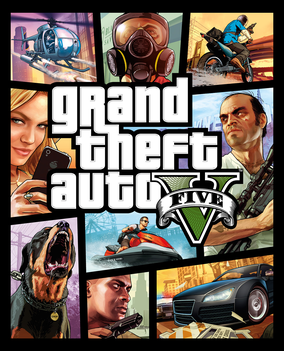
Early forms were everywhere. Facebook proved players would buy virtual goods against a card already on file, with Zynga drawing 93% of its revenue from virtual goods in FY2011 and Facebook Credits sitting between players and Zynga until the special revenue-share deal ended in November 2012. Microsoft Points, used on Xbox from 2005, priced even a horse's armour (200 for $2.50 in 2006). Mobile free-to-play (from 15 October 2009) made 'dual currencies' standard, and Clash of Clans sold gems to skip its own queues. Grand Theft Auto Online's Shark Cards, in-game cash bought with real money, reportedly out-earned story DLC so completely that Rockstar shelved expansions. Platform currencies (Robux, V-Bucks, Minecoins) put the same trick at the centre of children's games. In Curiosity (2012) the diamond chisel cost 3 billion in-game coins, about £47,000 in real money, and Guinness listed it from 6 November 2012 as the most expensive in-app purchase.
Historical prices and revenues are in US dollars at the time unless marked A$.
By the numbers
Oblivion's Horse Armour cost 200 Microsoft Points, equal to $2.50.
Roblox creators cashing out via its DevEx programme have reportedly received roughly $0.0035-$0.0038 per Robux, against the roughly $0.01-$0.0125 players pay to buy it at retail.
Zynga's FY2011 10-K: $1.07bn of its $1.14bn revenue (93%) came from selling virtual goods; Facebook ended Zynga's special Facebook Credits revenue-share deal in November 2012.
Curiosity's diamond chisel cost 3 billion in-game coins, about £47,000 ($75,000) in real money, and was listed from 6 November 2012 as the most expensive in-app purchase.
Games that use it








Used to, but dropped it

Related badges
Covered in Video Games & Money: Ep 22 · Social, Ep 24 · Mobile f2p, Ep 29 · Live service, Ep 33 · Ugc platforms, Ep 25 · Dlc.