What you're actually buying
Looks only: skins, outfits, emotes and effects. In the 'fair' version everything that affects play (champions, weapons, characters) is earned through play and the shop sells nothing that makes you stronger. The same model appears as optional cosmetic extras in full-price games.
How it works
Western publishers rebuilt free-to-play around fairness: stop charging for entry, and sell optional cosmetics to a small paying minority while keeping everything that affects power earnable, so the free majority stays competitively equal. A free download removes the only wall between a game and a mass audience, and a bigger audience makes a multiplayer game more valuable to everyone in it. The item shop then stopped being an experiment and became a standard fixture, a shelf bolted onto every Western multiplayer game and funded by a paying few.
When it's fine
When what you buy can't help you win, nothing is locked behind random draws, and the game is fully enjoyable without the shop.
Where it came from
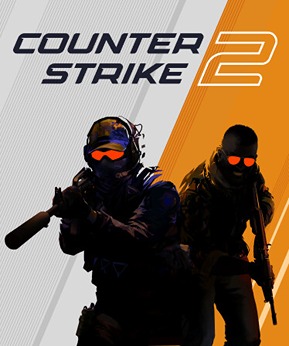
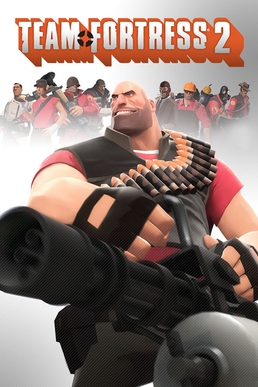
Oblivion's Horse Armour (3 April 2006, $2.50) was an early, much-mocked example: purely cosmetic, and a signal to publishers that players would pay for cosmetic add-ons bolted onto a full-price game. League of Legends launched on 27 October 2009 with every champion earnable through play and only skins costing money, and SuperData estimated it earned about $1.7 billion in 2016, almost entirely from cosmetic skins bought with Riot Points. Team Fortress 2 went free-to-play on 23 June 2011 and Valve reported its revenue rose roughly twelvefold, sold almost entirely through its crate-and-key economy. Warframe and Path of Exile (both 2013) built 'fair' reputations by keeping everything earnable. Counter-Strike's 2013 skins update created a tradeable economy, and real money invited real gambling.
Historical prices and revenues are in US dollars at the time unless marked A$.